
Getting Started
What Are FlexWerk's Hours?
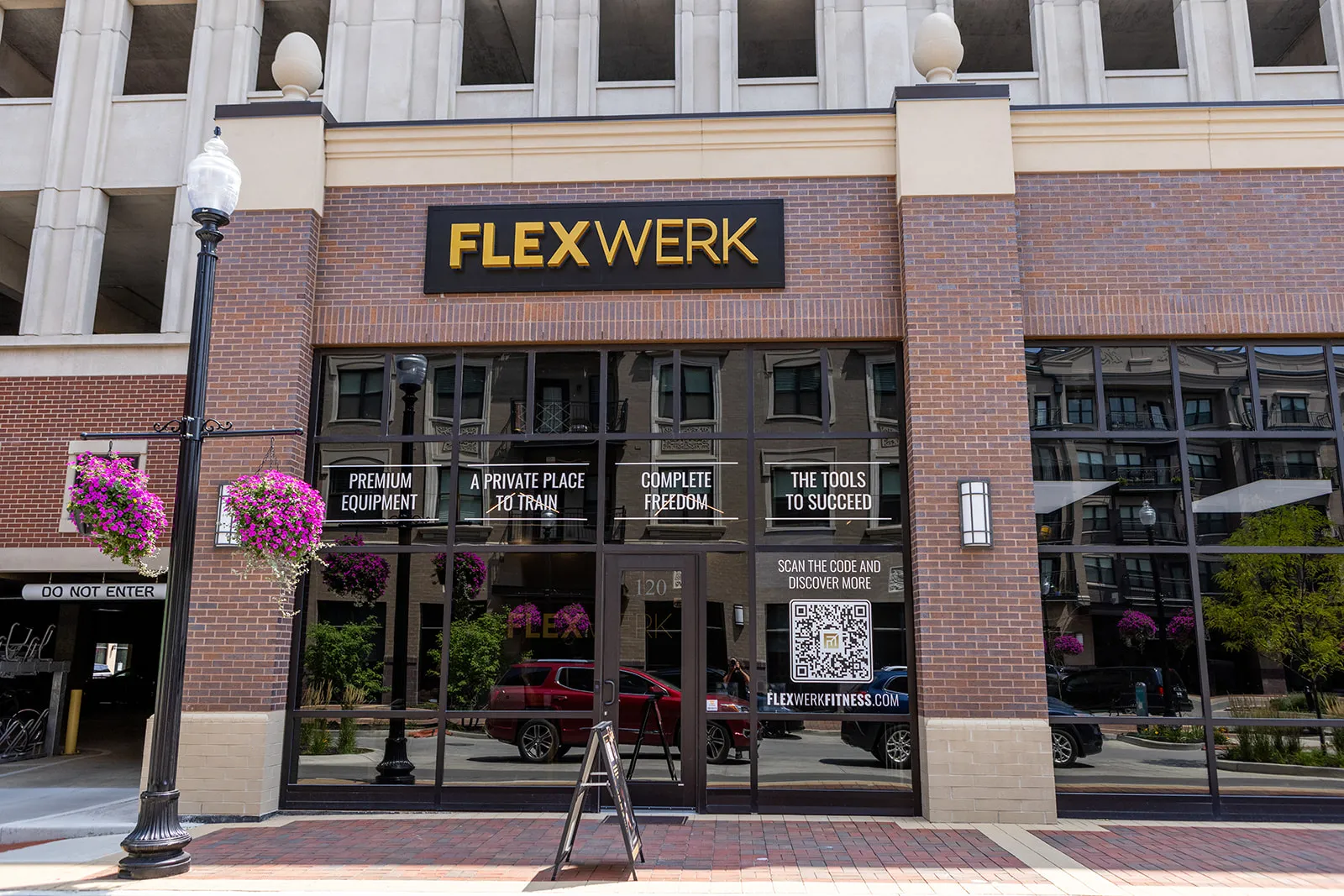
FlexWerk is open Monday through Friday from 5 AM to 9 PM, and Saturday and Sunday from 7 AM to 4 PM, at Carmel City Center. That’s a sixteen-hour weekday window — built deliberately so that training fits around a real work schedule instead of competing with it.
The week at a glance
- Monday–Friday: 5 AM – 9 PM
- Saturday–Sunday: 7 AM – 4 PM
One distinction worth understanding before you plan your week: these are the facility’s hours, not any individual coach’s. The trainers at FlexWerk are independent professionals who set their own schedules within that window, and there are more than 40 of them running their businesses here. That’s actually good news for you — it means early-morning people, lunch-hour people, and evening people all have coaches who work their hours — but it’s why your schedule is one of the core inputs when you’re matched with a coach. You’re paired with someone whose availability fits your life, not handed a calendar of leftovers.
It’s also worth distinguishing hours from crowding. At a big-box gym, “open at 5” and “usable at 5” are different claims — peak windows mean queues for equipment. Because FlexWerk sessions happen one-on-one in reserved private suites, the facility being open is the whole story: if your session is booked, your room and everything in it are waiting, whether that’s 5 AM on a Tuesday or 3 PM on a Sunday.
Why the 5 AM open matters more than it sounds
For the busy professionals this facility largely serves, the difference between a gym that opens at 5 and one that opens at 6 is often the difference between training and not training. A 5 AM open means a full session, time to get ready at home, and a normal arrival at the office — no negotiating with your workday at all.
There’s a quieter benefit too. Coaches will tell you that clients who train at a consistent, protected time tend to last, and the early slot is the most protectable one on most calendars: nothing else competes for it. No meeting runs into 5:30 AM. If your workdays are unpredictable, the morning isn’t just convenient — it’s strategically the safest place to put something you’ve decided matters.
Pick the slot you’ll actually keep
Here’s the honest advice, because “when should I train?” has a less inspiring answer than most articles admit: the best time to train is the one your calendar will defend. Physiological differences between morning and evening training exist but are small; adherence differences are enormous. Coaches reached that conclusion long before researchers confirmed it: the marginal benefit of training at your biological “peak” is worthless if that peak hour belongs to your boss or your kids. A few trade-offs to weigh:
- Early morning (5–7 AM): hardest to interrupt, easiest to protect, and popular with commuters for exactly that reason. The cost is the alarm clock.
- Midday: a genuine option when you work near Carmel City Center — the facility’s location makes a lunch-hour session realistic rather than theoretical.
- Evening (5–9 PM): many people feel strongest later in the day. The risk is that this is also when work emergencies, family logistics, and fatigue make their move.
If you’re not sure, tell your coach that during the free consultation — matching you to a sustainable time slot is part of the job, and it’s far better to start with an honest 6:30 AM than an aspirational 5:00.
Weekends, travel weeks, and real life
Weekend hours (7 AM – 4 PM, both days) exist for the people whose weekdays genuinely can’t flex — and for anyone who likes anchoring the week with a Saturday-morning session before the day gets away from them. Plenty of clients run a split week: one weekday session, one weekend session.
Real life will still interfere sometimes. Work trips, school breaks, and season changes are exactly the kind of thing worth raising with your coach in advance rather than absorbing as missed weeks — there are good ways to handle it, covered in what to do about training when you travel. The schedule that survives contact with your actual life is the one that produces results. A week of travel doesn’t have to mean a week of nothing, either — hotel-room work and daily walking keep the thread alive, and your coach can hand you a plan for exactly that before you leave.
Planning your first visit
Your first appointment isn’t a workout — it’s a free consultation with a free InBody body-composition scan, so almost any slot in the schedule works for it; you won’t need to train, change, or block out half a morning. Sessions after that happen one-on-one in a private suite, which has a scheduling perk people don’t anticipate: your session starts when it starts. There’s no waiting for a rack to open up or a floor to clear — the room and every piece of equipment in it are yours for the hour you booked. That reliability is worth factoring into which slot you choose: pick the hour, and the hour is actually yours.
FlexWerk sits at Carmel City Center, steps from the Monon Trail — details on getting there are in where FlexWerk is located and where to park. Look at your week, find the one hour that nothing else is allowed to take, and book the consultation into a slot like it.
Related questions
Is FlexWerk open early enough to train before work?
Yes — doors open at 5 AM Monday through Friday, which comfortably fits a session before a north-side commute or a morning of meetings.
Can I train on weekends?
Yes. Weekend hours are 7 AM to 4 PM on both Saturday and Sunday, which suits morning sessions and early-afternoon appointments.
Are the facility hours the same as my coach's availability?
Not necessarily — coaches set their own schedules within those hours. That's why scheduling is part of how you're matched with a coach in the first place.