
Audiences
Youth Athlete Development With a Dedicated Coach
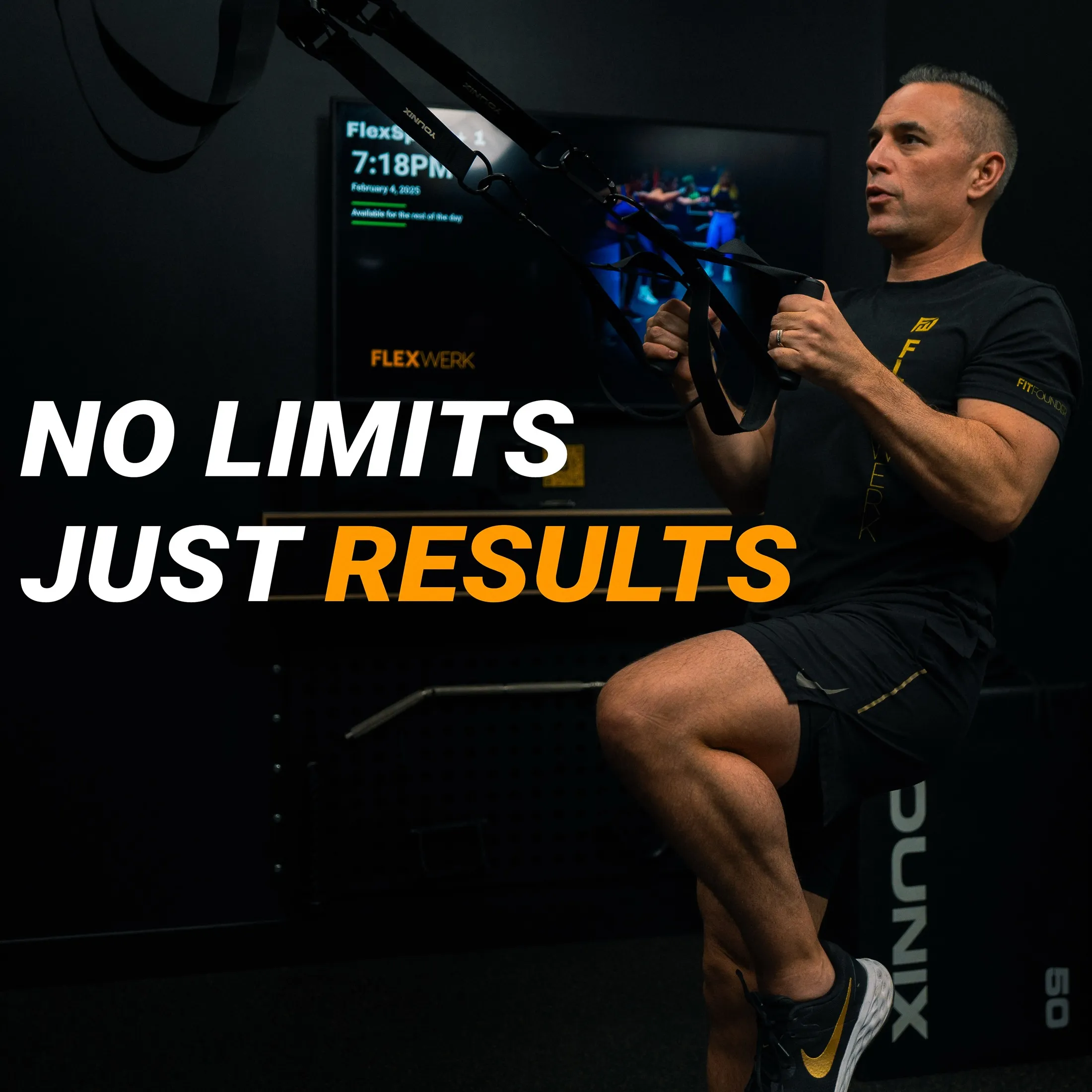
Your teenager gets hours of practice in their sport every week — and almost none in the thing practice quietly assumes is already there. A dedicated coach develops the athlete underneath the sport: strength, movement quality, and durability that team practice expects but rarely builds. That gap is where a personal trainer for teen athletes earns their place — and it’s also where most plateaus and preventable overuse problems live.
What team practice can’t do
Team coaches program for the team, because that’s the job. One coach, twenty athletes, a season schedule, and sport skills that have to come first. Nobody is watching how your kid lands from a jump, whether they can decelerate under control, or whether their left side is doing half the work of their right.
That’s not a criticism of team coaching — it’s arithmetic. Individual movement development requires individual attention, and a practice plan built for a roster can’t supply it. A dedicated coach fills exactly that role: one set of eyes on one athlete, session after session, catching and correcting the things that never get noticed in a group.
Development, not miniature bodybuilding
Good youth training looks nothing like an adult’s gym routine scaled down. The priorities run in a specific order:
- Movement patterns before load. Squat, hinge, push, pull, and carry — owned with body weight and light resistance before anything heavy touches the bar.
- Technique as the win condition. A teen who moves beautifully with modest weight is ahead of one who grinds ugly maxes. There is no chasing one-rep records at this stage.
- Speed, coordination, and landing mechanics. The qualities that transfer to every sport, not just the one in season.
- A long-term view. The goal is a durable athlete at 18 and 22, not a highlight clip at 14.
This approach is broadly supported by sport-science bodies: appropriately supervised, progressively loaded resistance training for young athletes is considered both safe and beneficial. The keyword is supervised — which is the whole argument for a coach rather than a YouTube program and hope.
Why the environment matters more for teens
A commercial gym floor is a hard place to be fourteen. Crowds, phones, older lifters, and the constant sense of being watched push teens toward one of two failure modes: hiding on machines in the corner, or ego-lifting to look the part.
FlexWerk removes the audience entirely. Sessions run in a private suite — a fully equipped room with a lifting rack, cable system, and dumbbells that belongs to your athlete and their coach for the hour. No one to perform for, no equipment to wait on, and a parent can sit in without turning the session into a spectacle. The suites are also deliberately filming-friendly, which matters more than it sounds: recording a lift and reviewing it together on the suite’s monitor is one of the fastest technique-teaching tools a coach has.
For a teen, that combination — full attention, zero judgment, instant video feedback — compresses months of trial and error into weeks of actual coaching.
Choosing the right coach for a young athlete
Not every good trainer is a good youth trainer. When you’re evaluating, look for:
- Experience coaching teens specifically — the cueing, patience, and pacing are different from adult work.
- Communication with parents. You should know what the plan is, why, and how it’s going — without hovering.
- Season awareness. Off-season is for building; in-season is for maintaining. A coach who programs heavy lower-body work the day before a game hasn’t thought it through.
- A clear scope line. Pain, injuries, and anything medical belong with your child’s physician or the school’s athletic trainer — a good coach refers out immediately and never “trains through” a medical question.
FlexWerk’s coach matching is built on exactly these variables — goals, schedule, personality, and specialty — so you’re paired with someone who actually works with young athletes, not whoever has an open slot.
What a season of this looks like
Expect the off-season to carry the biggest changes: strength climbing steadily, movement cleaning up, confidence following both. In-season, the work shifts to maintaining those gains around practices and games so your athlete arrives at the next off-season ahead of where they started, not rebuilding from scratch.
For multi-sport athletes — which most young athletes should still be — the general-development approach pays double, because the strength, speed, and landing mechanics built in the suite transfer to every season rather than one. And a good coach keeps parents in the loop on a simple cadence: here’s what we worked on this month, here’s what improved, here’s what’s next. You shouldn’t need to interrogate your teen after every session to know whether the investment is working; the coach should be telling you.
One scheduling note that matters for school-age athletes: sessions have to fit around practice, homework, and family logistics, not the other way around. FlexWerk’s hours run 5 AM to 9 PM on weekdays and 7 AM to 4 PM on weekends, which leaves workable windows on either side of a typical practice schedule.
And an honest note for parents: a trainer is not a shortcut to a scholarship, and anyone selling one should worry you. What consistent, well-coached development reliably produces is a stronger, more resilient, more confident athlete — which is the foundation every recruiting outcome sits on anyway. First sessions cover a lot of ground, and what happens in that first meeting is worth reading with your teen beforehand.
If your athlete has a sport they love and a body that hasn’t been coached yet, a free consultation — parent and teen together — is the simplest way to see whether the fit is right.
Related questions
What age is appropriate for a teen to start working with a trainer?
Supervised strength training is commonly considered appropriate once a young athlete can follow instructions and take coaching seriously — often early teens. For anything specific to your child's health or growth, ask their pediatrician.
Will lifting weights stunt my teenager's growth?
That's a long-debunked myth — well-supervised, appropriately loaded resistance training for youth is broadly supported by sport-science organizations. Bring any medical questions about your child to their physician, not a gym.
Can parents watch the sessions?
Yes. Sessions at FlexWerk happen in a private suite, and a standard suite comfortably hosts a guest — so you can observe without your teen performing for a gym floor full of strangers.