
Results & Process
Will Lifting Weights Make Me Bulky?
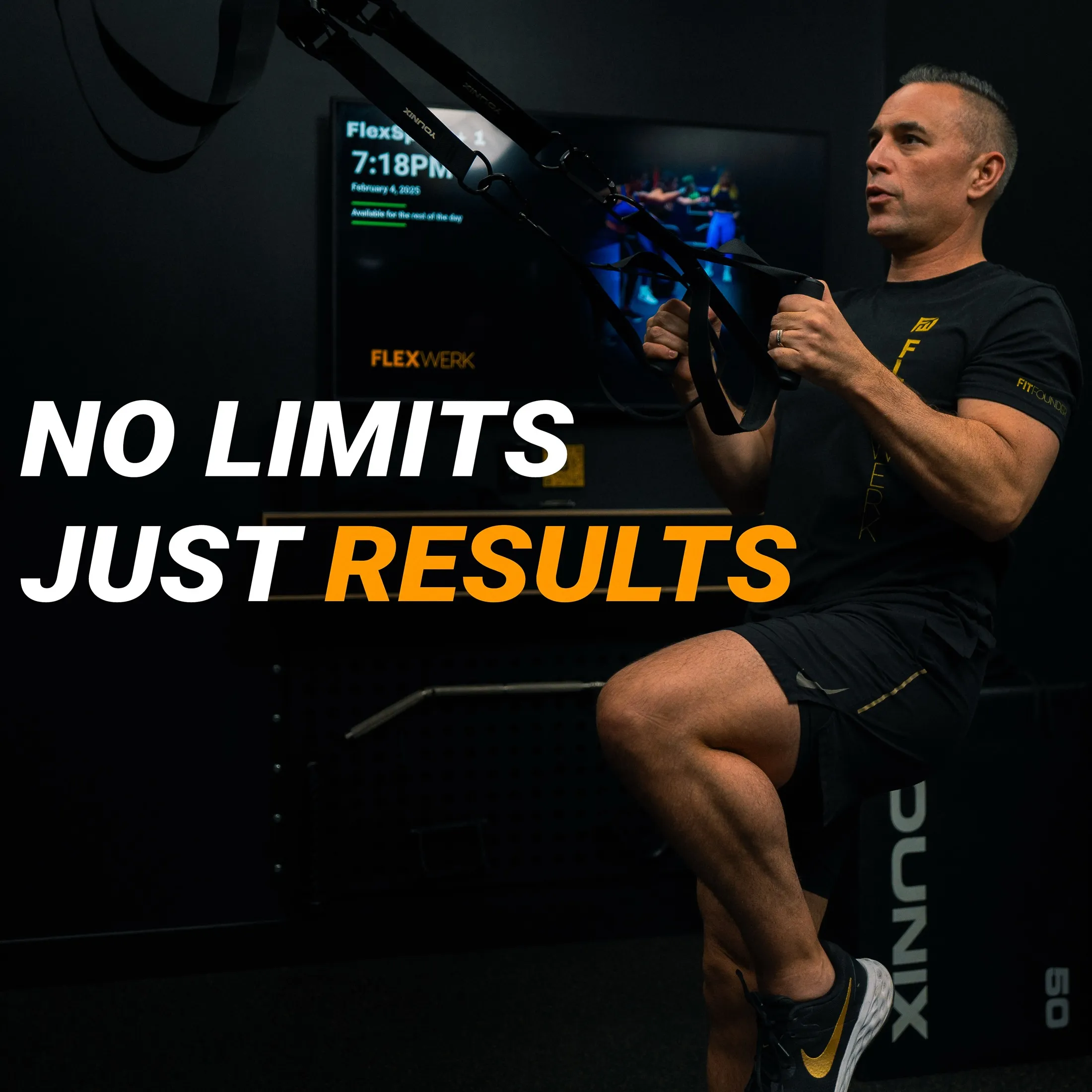
No — lifting weights will not make you bulky. Muscle grows slowly, measured in months and years rather than weeks, and the physiques people picture when they fear “bulky” are the product of years of deliberate, high-volume training and eating aimed squarely at that outcome. Nobody gets there by accident — least of all from two or three coached sessions a week. What lifting typically does instead is make you look leaner: tighter, more defined, and smaller in the places people want smaller.
Where the fear comes from — and why it persists
The fear is an image problem. When most people hear “lifting,” they picture competitive bodybuilders and strength athletes — people who have spent five, ten, fifteen years training many hours a week, eating enormous quantities of food with precision, and optimizing every variable for maximum size. Concluding you’ll look like that from twice-a-week training is like fearing you’ll accidentally win a marathon because you started jogging.
The fear persists because of a real but misread early experience: in the first weeks of training, muscles hold extra fluid and feel pumped after sessions, and some clothes fit differently before fat loss catches up. People feel that and panic at week three. It’s temporary plumbing, not permanent architecture — and the coaches who’ve watched hundreds of clients through it will tell you what comes next: the silhouette gets smaller, not bigger.
The fitness industry deserves some blame here too. Decades of marketing sold women tiny pink dumbbells and men mass-gainer powder, entrenching the idea that barbells have a single inevitable output. They don’t. A barbell is a tool; the program decides the outcome — the way the same oven produces bread or burnt toast depending on who’s running it.
What actually happens when you start lifting
The typical arc for a new lifter working with a coach is recomposition: muscle edges up slowly while fat comes off faster, and because a pound of muscle takes up noticeably less room than a pound of fat, the visual result is a tighter, denser shape — often at a similar scale weight. That last part matters: the scale is nearly useless for tracking this, which is why FlexWerk coaching starts from an InBody body-composition baseline and judges progress by re-tests that separate muscle from fat. Watching muscle rise while fat falls, in numbers, is usually what finally kills the bulky fear for good. The full mechanics are laid out in body recomposition explained.
Meanwhile, strength arrives much faster than size — early strength gains are mostly your nervous system learning to use the muscle you already have. Getting strong quickly while staying the same size is the normal, expected experience, not a fluke. Strength also happens to be the outcome most worth wanting: it’s what carries the groceries, protects the joints, and holds posture together at a desk — dividends that arrive long before any visible change of any kind.
The version women are actually asking
Let’s name it: this question is asked overwhelmingly by women, and the honest physiological answer is reassuring. Women typically build muscle more slowly than men, and the notably muscular female physiques that fuel the fear represent years of dedicated, specific work — often by athletes trying very hard to achieve exactly that look. It does not happen to you by surprise on the way to a stronger deadlift.
What strength training typically delivers for women instead is the list they came in asking for: fat loss that holds, shape and definition, better bone density with age, and the carryover strength that makes life easier. There’s a longer treatment of all of it in personal training for women. And if you’ve absorbed a lifetime of “lift light weights for high reps to tone” — that advice mostly produces neither tone nor strength; the muscle underneath is what “toned” is. The clients who chase strength and let the aesthetics follow almost always end up happier with both.
You control the dial — that’s the whole point of coaching
Here’s the reframe that makes the fear obsolete: how muscular you look is a programmable outcome, not a runaway train. Training volume, exercise selection, and nutrition are the dials, and your coach sets them to match the look you actually want. Tell your coach “strong and lean, not bigger” and the program will be built for precisely that — and the body-composition re-tests will verify it’s what’s happening. If, months in, you decide you’d like more visible muscle after all (it happens more often than you’d think), the dials turn the other way. Check-ins keep the dial honest over time, too — if a measurement or a mirror moment ever worries you, you say so at the next session and the program shifts that week, not next quarter.
That’s also the quiet advantage of training one-on-one in a private FlexWerk suite: the goal conversation is honest because nobody’s performing for a gym floor. You can say exactly what you want to look like, out loud, and get a program aimed at it.
If the bulky fear has kept you away from the weight room for years, the fix isn’t more reassurance — it’s a baseline and a plan built around your stated goal. Start with the free consultation: InBody scan, goals conversation, and a coach who’s heard this exact worry a hundred times and knows how to program the answer. The fear has kept enough people weak for enough decades — it doesn’t need your years too.
Related questions
Why do I feel bigger after a few weeks of lifting?
Early on, muscles hold more fluid and feel fuller after sessions — a temporary effect people misread as sudden bulk. The look that emerges over months of training is typically tighter and leaner, not bigger.
Should women lift differently than men to avoid bulk?
No. The programming principles are the same, and women typically build muscle more slowly than men. Nobody of any gender accidentally reaches 'bulky' — that look takes years of deliberate training and eating.
What if I actually want to look more muscular?
Then say so — that's a programmable goal too. The dial runs both directions; your coach sets training volume and nutrition to match the look you're after.