
Goals
From Machines to Barbells: Coached Strength Progression
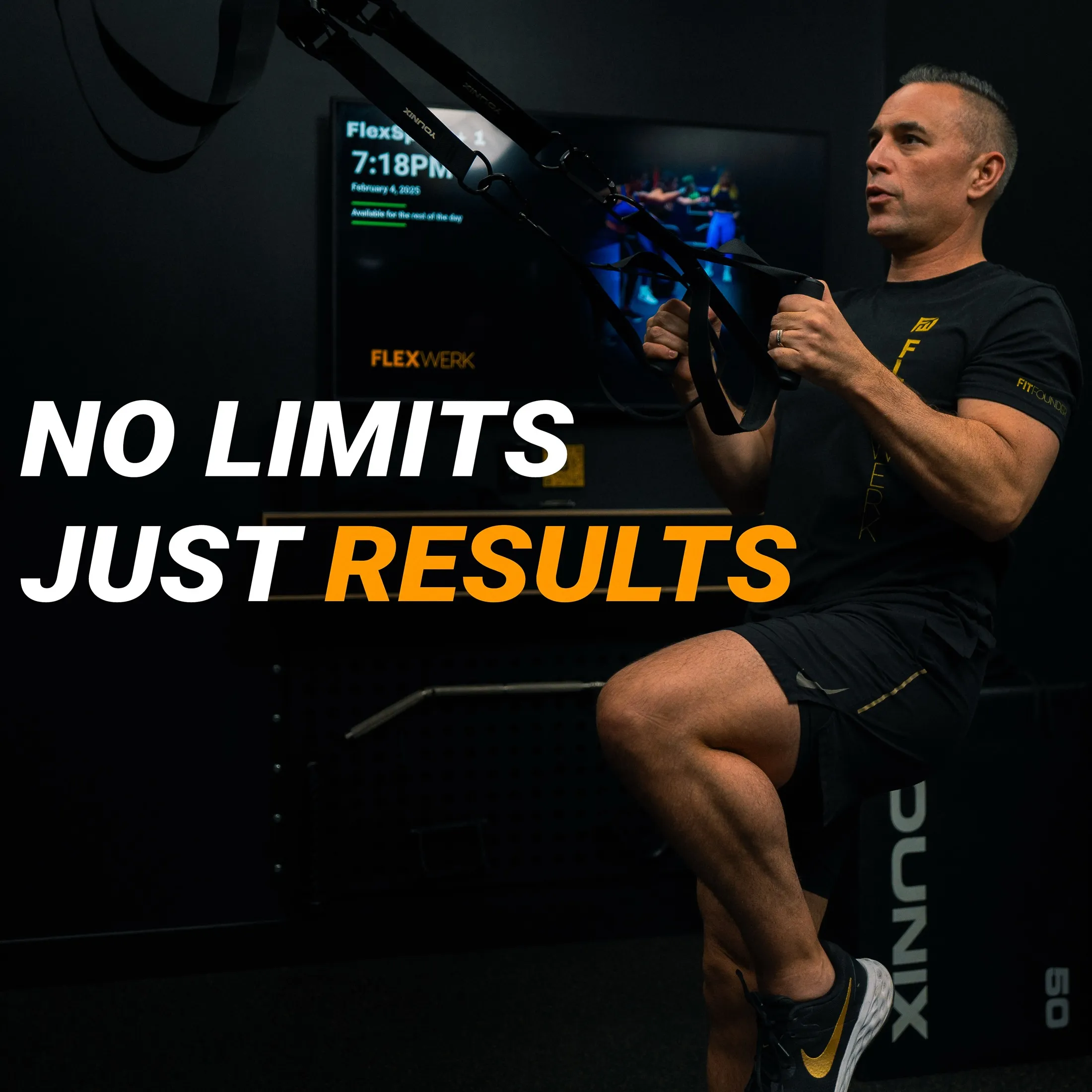
There’s a moment most gym-goers never get past: the machines stopped being hard months ago, the free-weight area looks like it requires a license, and progress has quietly flatlined. A coached strength progression exists for exactly this transition — moving you from machines to free weights deliberately, teaching the barbell lifts as skills, and managing the load increases your body needs but your instincts won’t program.
Here’s what that journey looks like when someone who’s made it hundreds of times is guiding yours.
Machines aren’t the problem — parking there forever is
Machines deserve a fair hearing. They’re a genuinely good starting stage: fixed paths keep early training safe, they build baseline strength, and they let a total beginner work hard without technique being the bottleneck. Experienced lifters still use them for targeted work. Nothing about a machine is beneath you.
The limitation is what machines can’t teach: balancing a load, bracing your trunk, coordinating your whole body through a movement — the abilities that carry over to lifting a suitcase, a grandchild, or yourself off the floor at eighty. Free-weight training develops all of it, which is why every long-term strength program eventually runs through dumbbells and barbells. Most people know this. What they lack isn’t information — it’s a bridge across the intimidation gap, and that bridge is a coach.
Progression is the program
Strength comes from one principle: progressive overload — asking slightly more of your body than last time, repeatedly, for months. Simple to say, surprisingly hard to self-administer. Untrained instincts push both directions at once: too timid on the lifts that matter (the weight stays the same for a year) and too bold on the wrong day (the ego set that costs you three weeks).
A coach turns the principle into decisions: when you add load versus reps, when a plateau means push and when it means back off, how hard a set should actually feel. The mechanics of it are worth understanding — progressive overload, explained — but the daily judgment calls are where coaching pays, because the difference between optimal and instinctive progression, compounded over a year, is enormous.
Barbell lifts are skills, and skills want a teacher
The squat, hinge, press, and row aren’t feats of bravery — they’re motor skills with learnable technique, the same as a golf swing. Coached progression teaches them in sequence: pattern first with body weight, load second with goblet and dumbbell variations, barbell last once the movement is owned. Along the way your coach is doing the thing no app can: watching this rep, cueing this fix, adjusting today’s plan to today’s body.
This is also where training in a private suite quietly accelerates things. At FlexWerk, your session happens in your own room — a custom lifting rack, cable system, and dumbbells with no one waiting on the equipment and no one watching you be a beginner at something. A standard suite supports 850+ exercises, which means the entire progression from first goblet squat to confident barbell work happens in one place. The suites are filming-friendly too, and coaches use it: seeing your own set on the monitor next to your coach’s cue is the fastest technique feedback there is.
What a year of coached progression looks like
The texture varies by person, but the arc is consistent: early weeks spent grooving patterns and finding honest working weights; months two through six where the strength curve is steep and deeply satisfying — beginner progress is the best progress you’ll ever have, enjoy it — and the back half of the year where gains keep coming but arrive through smarter programming rather than novelty. Strength work this consistent also does quiet double duty on physique — muscle gained while training hard is the engine behind body recomposition.
Measurement runs through all of it. Your training log becomes the most motivating document you own — the goblet squat that was hard in March is a warm-up in August, in writing — and periodic InBody re-tests against the baseline from your consultation show the muscle those numbers were building. Strength progress has a rare honesty to it: the bar weighs what it weighs, and the log doesn’t flatter.
Machines also come back around, incidentally — not as the whole program but as a tool your coach deploys deliberately for isolated work and high-fatigue days. The progression was never machines versus barbells; it was learning enough to use each for what it’s best at.
An honest caveat: if your goal is purely general activity — move a bit, feel a bit better — and you’re consistent on your own, you may not need coached barbell work. The case for coaching scales with ambition: the more strength you want, the more expensive uncoached mistakes become — in time lost to plateaus at best, and in the tweaks and strains that self-taught technique invites at worst.
Starting the bridge
You don’t prepare to start; starting is the preparation — there is no amount of machine work that graduates you automatically, and no strength prerequisite for being taught properly. A free consultation at FlexWerk pairs you with a coach matched to your goals, sets an InBody baseline so strength gains show up in your composition numbers, and puts a bar in your hands at whatever stage you’re actually at. The free-weight section stops being intimidating the day it becomes your own room with your own teacher in it.
Related questions
Are machines bad? Should I skip straight to barbells?
Machines aren't bad — they're a stage. They build baseline strength safely while you learn to train, and they remain useful forever. The mistake isn't using them; it's never being taught what comes next.
How long before I'm ready for barbell lifts?
It varies with your starting point, but with a coach teaching the patterns deliberately, most people are performing goblet squats and hinge patterns within weeks and progressing toward barbell versions over the following months. Readiness is a technique milestone, not a calendar date.
Do I need to lift heavy to get results?
You need to lift progressively — a bit more load, a rep more, better range over time. 'Heavy' is relative to you, and a coached program keeps it challenging without turning sessions into max-out contests.