
Results & Process
What Is Progressive Overload in Plain English?
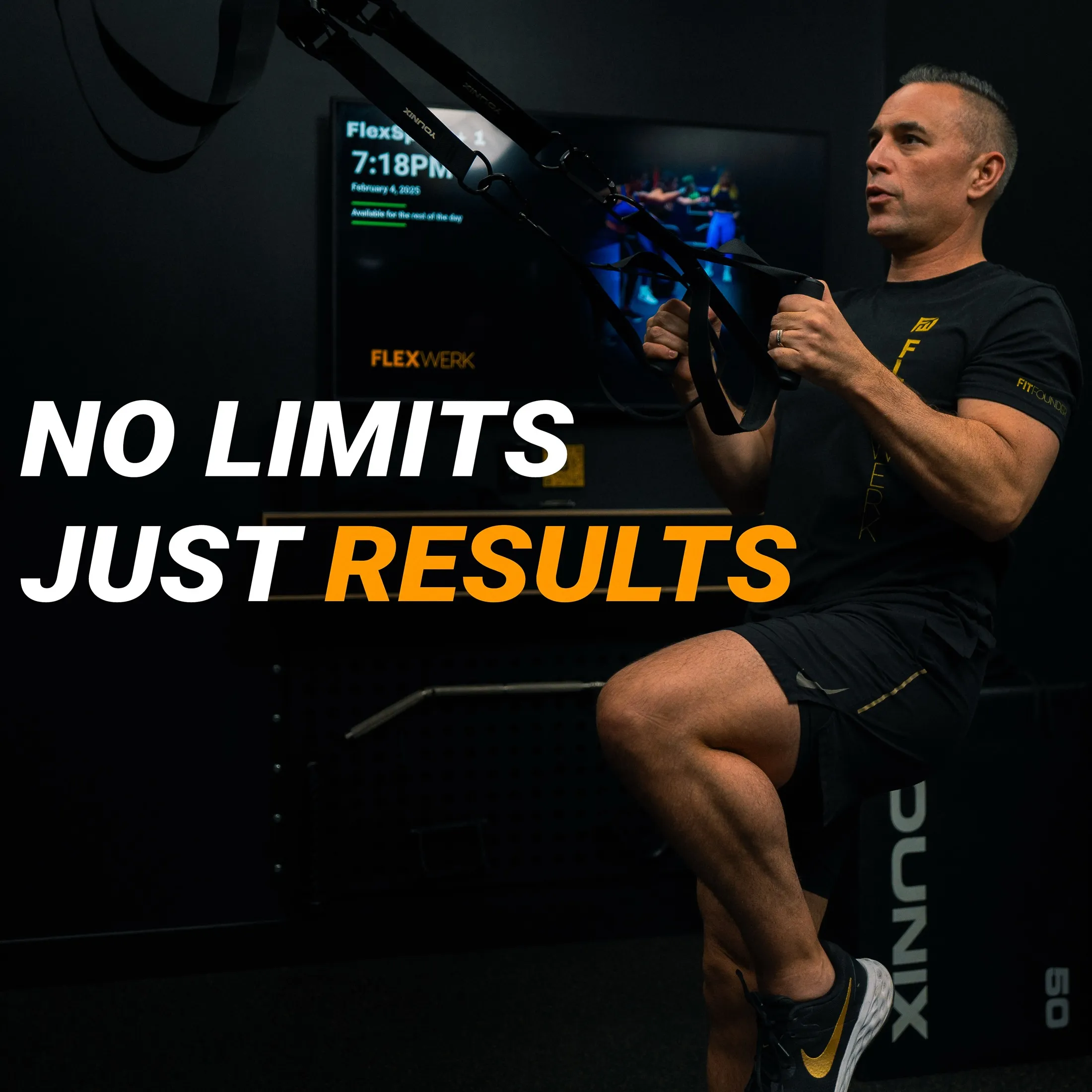
Progressive overload means asking your body to do slightly more than it’s used to — a little more weight, an extra rep, another set, a cleaner range of motion — repeated week after week, so it always has a reason to keep adapting. Every effective strength program ever written is built on this one idea, and most stalled gym routines are missing it. That’s the whole concept; the rest is knowing how to apply it without hurting yourself.
The plain-English version
Your body is ruthlessly economical. It builds exactly as much muscle, bone, and capacity as your life demands and not an ounce more, because carrying extra tissue is expensive. Lift the same weights for the same reps every week, and your body’s honest conclusion is: handled — no changes needed.
Progressive overload is how you overrule that conclusion. You apply slightly more stress than last time, recover from it, and adapt to a slightly higher level. Then you do it again from the new level. Stress, recover, adapt, repeat. The word doing the work in that sentence is slightly — overload is not maxing out, going to failure every session, or leaving each workout destroyed. It’s a small, deliberate, almost boring increase, compounded over months. Boring is what makes it sustainable, and sustainable is what makes it work.
The seven levers (weight is just one)
“Add more weight” is the famous version, but overload has at least seven dials:
- Load — more weight on the bar or in your hands
- Reps — same weight, more repetitions
- Sets — more total working volume
- Tempo — slower lowering, controlled pauses, no momentum
- Range of motion — a deeper squat is harder than a shallow one at the same load
- Rest — doing the same work with less recovery between sets
- Frequency — training a movement more often across the week
This matters most for beginners, because your first weeks of progress usually come from the non-weight dials: cleaner form, fuller range, better control. A goblet squat done deep and slow can be a genuine progression from a heavier one done badly. If your only measure of a workout is the number on the dumbbell, you’ll miss most of your own early wins.
What it looks like month to month
In practice, a typical early progression might run something like this: you press a pair of dumbbells for 3 sets of 8. Over a few weeks you work up to 3 sets of 11 or 12. Then the weight goes up a notch, the reps drop back to 8, and the climb starts again. Zoomed out over months, that sawtooth pattern is a steadily rising line.
Two honest notes about pace. First, early strength gains come fast — largely your nervous system learning to coordinate, before much new muscle exists — so don’t panic when the jumps get smaller later; that’s normal physiology, not failure (here’s the realistic timeline). Second, progress is never perfectly linear. Bad sleep weeks, work crunches, and plateaus happen, which is why good programs build in deliberately lighter weeks — often called deloads — rather than pretending every session sets a record. Backing off ten percent for a week so you can climb for the next six isn’t lost progress; it’s how the climb keeps working. A program that only ever adds is a program headed for a wall.
Why people plateau without it
Walk through any gym and you’ll see the same routine performed at the same weights it was performed at last year — and bodies that look exactly like they did last year. That’s not a lack of effort. It’s effort without progression: the demand never changed, so the body never had to.
The opposite mistake is just as common: adding weight too fast, form quietly decaying to move the bigger number, then a tweaked back or cranky shoulder resetting everything. Overload only compounds if you stay healthy enough to keep showing up. The skill isn’t adding stress — it’s adding the right amount, at the right time, on a plan.
Why it works better with a coach
Progressive overload is simple to understand and surprisingly hard to self-administer, for three reasons. You need records — overload against an unrecorded past is guesswork, which is why good trainers log every session. You need judgment — knowing which lever to pull this week, when to push, and when to back off is exactly what programming experience buys. And you need honest eyes on your form, because the rep that counts is the one done well.
Environment plays a quiet role too. On a crowded gym floor, people routinely lift heavier than they should for an audience, or lighter than they could out of self-consciousness — both break the progression. In a private training suite there’s no audience at all: just you, your coach, and the plan, with the rack and the log doing the talking. It’s one reason coached lifters in private settings tend to progress so cleanly — the whole session serves the program. For a deeper look at how a coach structures months of progression, see how coached strength progression works.
If you’ve been working hard without getting stronger, you don’t need more effort — you need progression with a plan behind it. A free consultation is a low-stakes way to get your baseline measured and see what a programmed month actually looks like.
Related questions
Is progressive overload only about adding weight?
No. Reps, sets, tempo, range of motion, rest time, and movement quality all count as overload. Beginners often progress on form and range for weeks before the bar gets heavier.
How quickly should the weight go up?
Typically in small increments, once you hit the top of your rep range with clean form. A coach times the jumps so progress compounds instead of stalling into aches and resets.
Am I too old for progressive overload?
No — the principle works at every age; only the loading and pace change. If you have health conditions, get your physician's clearance first, then a coach scales everything to your starting point.